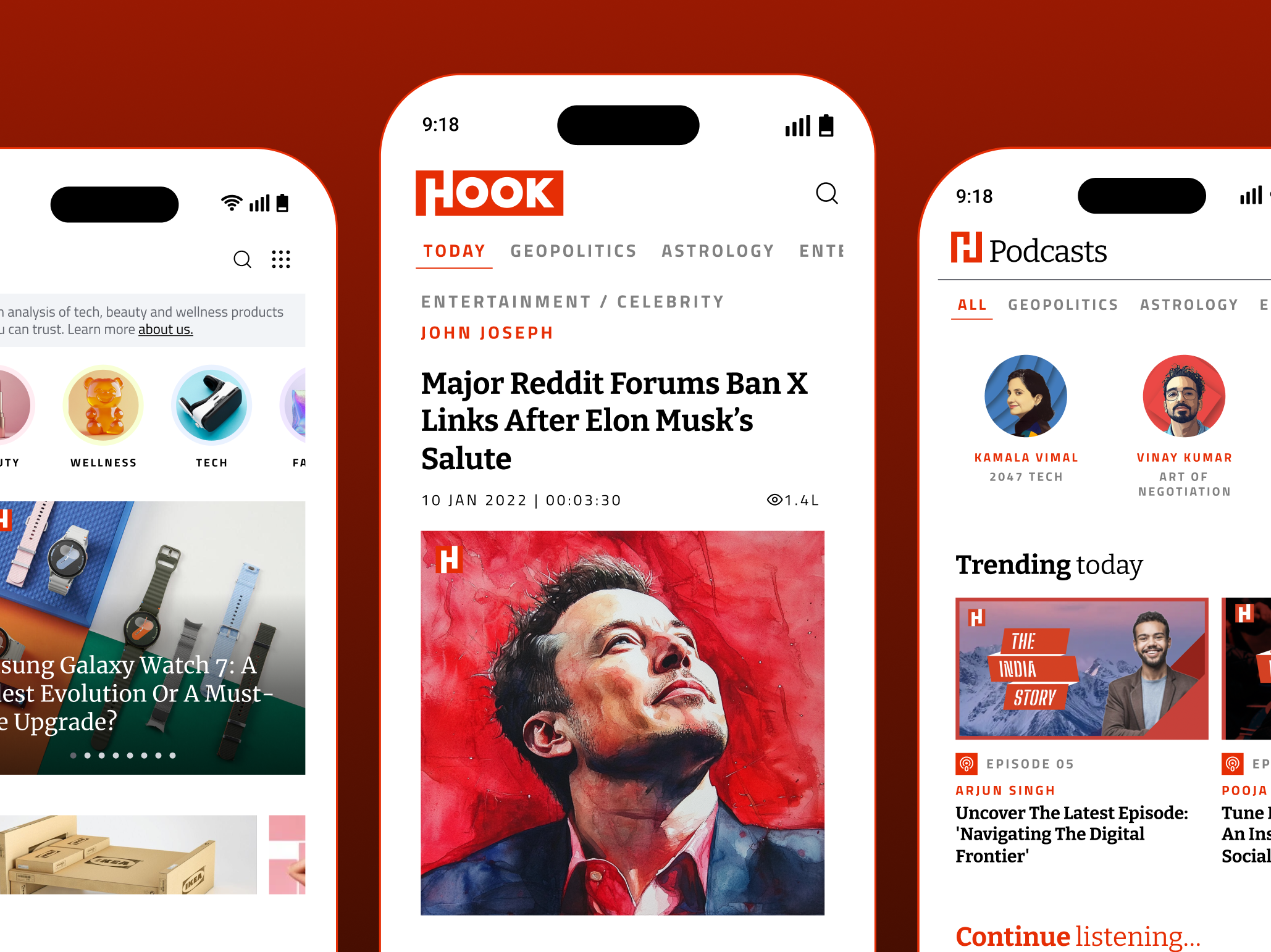

Beyond Chat: Copilots That Solve Real problems
We design AI copilots that integrate into real workflows helping users decide faster, act smarter, and complete complex tasks with minimal effort.
Our copilots don’t live in isolation. They are designed as part of the workflow: understanding where the user is, what they’re trying to achieve, and what comes next. The design approach was to create a identity for the copilot — a system that could change its surface, tone, layout and interaction pattern depending on the use case, while still feeling recognizably part of the same product family. This allowed each copilot experience to feel purpose-built, not generic, with the right prompts, controls, visuals and next steps appearing exactly where the user needed them. A copilot that breathes and is alive.
Starting with the Right Intent
We design structured starting points tailored to the user’s task, industry, and intent.
Instead of placing the burden on users to figure out what to ask, we design intelligent, guided actions that help them begin with clarity and confidence. Every entry point is carefully crafted around real-world use cases—whether it’s creating a presentation, analyzing data, or comparing documents—so users don’t start from a blank state but from a meaningful direction. These aren’t just prompts; they are structured starting points that translate vague intent into defined workflows, guiding users step-by-step toward a tangible outcome and ensure that every interaction leads somewhere purposeful, not just conversational.

From Input to Presentation Output
The presentation creator shows how the copilot turns uploaded scripts, notes or documents into structured decks. The interface makes the agent’s thinking visible as it organises content into sections, creates slides and gives users a draft they can review and refine.

Measuring What Matters
This screen shows how copilot output was designed to be measurable, reviewable and adaptable across contexts. Users can track the quality of generated responses, inspect the supporting chart or insight, and see how the same interaction holds up across both light and dark themes. The focus was to make performance visible inside the workflow itself, so teams could keep improving the copilot based on real usage, clarity and business relevance.

Consumer Copilots for Everyday Decisions
The copilot system was designed to move fluidly from enterprise workflows to customer-facing experiences. In these examples, the same underlying assistant pattern adapts to travel discovery and auto-part selection, helping users browse, compare, filter and complete decisions without leaving the flow. The interface keeps the experience light and familiar for consumers, while still giving the copilot enough structure to collect details, understand preferences and guide the next best action.

Travel Planning That Moves from Discovery to Detail
The travel copilot helps users move from destination discovery to itinerary planning with less friction. Cards, detail views, ratings, timings, maps and AI guidance make each selection easier to compare, understand and act on.

Commerce Copilot for Faster Buying
The commerce assistant helps users compare products, understand differences and choose the right option faster. It brings conversational guidance into the buying flow, making product decisions clearer without leaving the store experience.

 share
sharepartner-in-charge lisa rath | product design lisa rath, sreeja chatterjee, arpit sharma, vishnuprasad, ujjawal aggarwal, rahul mallik, hariprasad, jatin kumar, durga sai vamsi, lokesh parkhey, pakhi dogra, bhumika chauhan, sakshi singh, garvit kumar, prajakta chaudhuri, divyansh babbar